
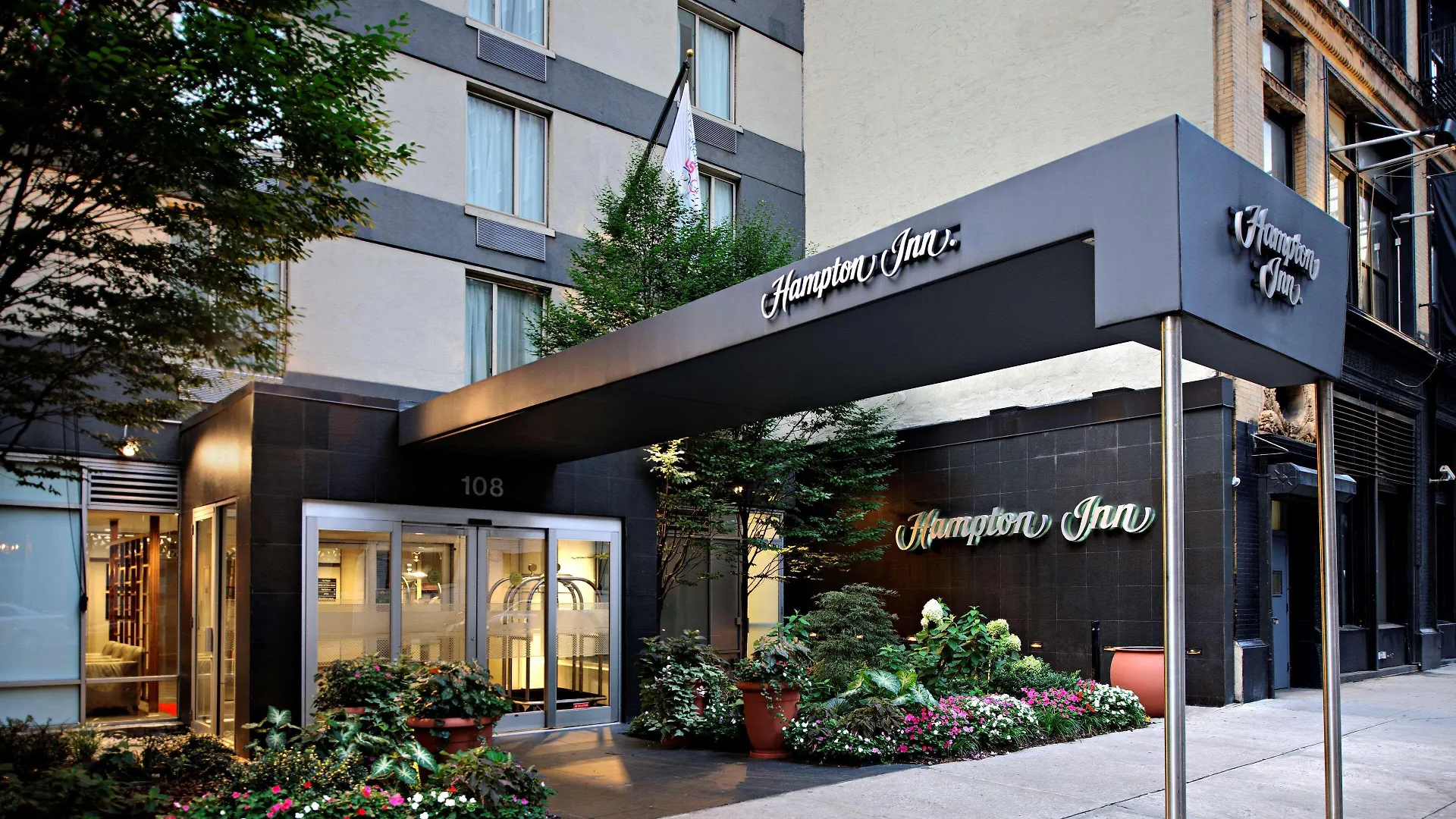
The American Museum of Natural History sits on the Upper West Side of Manhattan, anchoring Central Park West between 77th and 81st Streets. Hampton by Hilton properties in New York are spread across multiple neighborhoods - from Chelsea and Midtown to the outer boroughs - so knowing which location actually serves your visit to the AMNH matters before you book. This guide breaks down each option by location logic, real walking or transit time to the museum, and what you actually get for the price.
What It's Like Staying Near the American Museum of Natural History
The blocks surrounding the AMNH - particularly along Central Park West, Columbus Avenue, and Amsterdam Avenue - sit in one of Manhattan's most residential and walkable upper-west-side stretches. The museum's main entrance on Central Park West draws consistent crowds on weekends and school holidays, but the surrounding streets remain quieter than Midtown by a wide margin. Hotels directly on or within two blocks of Central Park West put you inside a neighborhood where the natural rhythm is morning joggers in the park, not taxi honking - a meaningfully different urban experience than staying near Times Square. Most subway access comes from the B and C trains at 81st Street-Museum of Natural History, which connects directly to Midtown in around 15 minutes.
Staying within walking distance of the AMNH is most useful if your itinerary centers on the museum itself, the adjacent Central Park, or the network of cultural institutions nearby including the New-York Historical Society and the Rose Center for Earth and Space. Travelers focused on Midtown business, Broadway shows, or Lower Manhattan may find the Upper West Side positioning adds unnecessary transit overhead to their day.
Pros:
Quieter, residential streets mean significantly less street noise at night compared to Midtown hotels
The B/C subway line at 81st Street provides direct, frequent access to Columbus Circle and the rest of Manhattan
Walking access to Central Park's western paths and the Reservoir adds genuine daily-use value beyond the museum
Cons:
Hotel inventory close to the AMNH is limited, meaning most Hampton by Hilton options require a subway or taxi ride to reach the museum
Restaurant density immediately around the museum is lower than in Midtown or Chelsea - dinner options within a 3-minute walk are modest
Weekend museum crowds create significant foot traffic on 77th to 81st Streets between 10am and 4pm, affecting nearby sidewalk pace
Why Choose a Hampton by Hilton Near the American Museum of Natural History
Hampton by Hilton occupies a consistent mid-scale positioning in New York City - properties typically run between 150 and 300 square feet per room, which in Manhattan terms represents a functional but not generous footprint. The brand's core differentiator in this market is the included hot breakfast, a real financial advantage in a city where a sit-down breakfast for two can easily cost around $50. For a multi-day AMNH-focused trip, that daily saving compounds meaningfully. Free Wi-Fi across all Hampton properties and 24-hour front desk staffing are consistent brand standards, removing variables that budget independents sometimes struggle with.
Compared to independent boutique hotels in the Upper West Side or luxury properties along Central Park West, Hampton by Hilton locations trade style and room size for price predictability and brand-level consistency. The trade-off is real: you won't get the pre-war architectural character of some Upper West Side hotels, and room sizes in the Midtown-area Hamptons reflect dense urban construction. However, the fitness centers, business centers, and disability-accessible rooms across the portfolio make these properties operationally reliable for repeat Hilton Honors members who already know what they're booking.
Pros:
Daily hot breakfast included at every Hampton property removes one daily cost variable in an expensive city
Hilton Honors point accumulation is consistent across all properties, useful for frequent travelers
Fitness centers are standard across all listed properties, removing the need to source a day-pass gym
Cons:
Room sizes in Manhattan Hampton properties are compact - around 200 square feet is typical - which is tight for longer stays or two adults with luggage
Parking costs at Manhattan locations are high even when available; only the outer-area properties offer genuinely free parking
The brand's aesthetic is functional rather than distinctive, which matters if neighborhood character is part of your travel criteria
Practical Booking & Area Strategy for AMNH Visits
No Hampton by Hilton property sits directly on the Upper West Side within walking distance of the AMNH, so transit positioning is the key variable. The most practical Midtown-based options - Chelsea and the 35th Street Empire State Building location - connect to the museum via the B/C line at 81st Street, reachable in around 20 minutes by subway from Penn Station-area stops. Columbus Circle (59th Street) serves as the most efficient interchange point if you're coming from Chelsea or Midtown South, with a direct B or C train northbound to 81st Street running frequently throughout the day.
For travelers prioritizing AMNH access specifically, the Times Square Hampton provides the closest Midtown transit anchor - the B/C trains at 59th Street-Columbus Circle are one stop away by taxi or a short crosstown walk. Beyond the museum, the Upper West Side corridor connects easily to the Metropolitan Museum of Art on the park's east side, Lincoln Center at 65th Street, and the Hayden Planetarium inside the AMNH complex itself. Book at least 6 weeks ahead for visits falling in July, August, or over spring school breaks, when both hotel rates and museum attendance spike sharply. The AMNH is closed on Thanksgiving, which affects late-November travel planning if the museum is the primary draw.
Best Value Stays
These properties offer Hampton by Hilton's standard breakfast inclusion and brand reliability at lower price points, with trade-offs in proximity to Manhattan's core attractions - including the AMNH - that make transit planning essential.
-
1. Hampton Inn Manhattan Chelsea
Show on map


 Check-infrom 15:00 until 23:59Check-outuntil 12:00
Just a few rooms left at the best rate!
fromUS$ 120
-
2. Hampton Inn Manhattan-35Th St Empire State Bldg
Show on map


 Check-infrom 15:00 until 23:59Check-outuntil 11:00
Just a few rooms left at the best rate!
fromUS$ 169
-
3. Hampton Inn New York - Laguardia Airport
Show on map


 Check-infrom 15:00 until 23:59Check-outuntil 12:00
Hurry – almost gone at this price!
fromUS$ 115
-
4. Hampton Inn Carlstadt At The Meadowlands
Show on map


 Check-infrom 15:00 until 23:59Check-outuntil 11:00
Hurry – almost gone at this price!
fromUS$ 131
Best Premium Pick
This Times Square property sits at the higher end of Hampton by Hilton's Manhattan pricing and offers the strongest transit positioning for AMNH access among all listed options, with a direct subway connection to Columbus Circle one stop from the 81st Street museum entrance.
-
5. Hampton Inn By Hilton New York Times Square
Show on map


 Check-infrom 16:00 until 23:59Check-outuntil 11:00
Rooms filling fast – secure the best rate!
fromUS$ 171
Smart Timing Advice for AMNH Visits and Hotel Booking
The American Museum of Natural History draws its heaviest attendance between late June and late August, driven by summer school breaks and international tourism - hotel rates across Manhattan climb sharply during this window, with Upper West Side and Midtown properties often showing rate increases of around 35% versus shoulder-season pricing. Early October through mid-November is the most balanced window: the museum's special exhibition slate is typically active, crowds are lighter than summer, and hotel rates begin to soften after the Labor Day peak. Spring school breaks - particularly the week around Easter - create a secondary demand spike that catches many travelers off guard.
For AMNH-centered trips, two full days at the museum is a realistic minimum to cover the main halls, the Hayden Planetarium, and any temporary exhibitions without rushing. Booking Hampton properties at least 6 weeks ahead for summer or holiday travel is advisable; the Manhattan locations in particular have limited room counts. Last-minute availability does appear on weekday nights in January and February, when business travel drops and leisure tourism slows - the lowest-rate window in the Hampton NYC portfolio by a measurable margin.


